
Written By Sarah Warren, PA-C
It starts with a simple scratch in your throat or a typical cold, but weeks later, you are still coughing. A persistent, hacking cough is one of the most common reasons patients visit our clinics across Mid-Michigan.
Understanding why coughs stick around, how we evaluate them in our clinics, and what evidence-based steps can safely speed up your recovery helps you get feeling better today.
Common Causes of a Persistent Cough
A post-viral cough can stick around for 3 to 8 weeks following a common respiratory infection or cold.
The most frequent reasons for a lingering cough evaluated by our healthcare providers include:
- Chest Colds (Acute Bronchitis): This happens when the breathing tubes leading to your lungs become inflamed and produce excess mucus. This irritates the airways causing a raw, hacking cough. More than 90% of chest cold cases are caused by viruses.
- Post-Viral Airway Sensitivity: After a cold, flu, COVID-19, or RSV, your breathing passages remain sensitive and easily irritated by cold air, deep breaths, or leftover mucus, triggering prolonged coughing spells.
- Post-Nasal Drip: Irritation in your sinuses or nasal passages causes extra mucus to drip down the back of your throat, constantly tickling your throat and triggering the cough reflex.
- Asthma or Allergy Flares: A viral cold can trigger underlying asthma or worsen environmental allergies, leading to chest tightness, wheezing, and ongoing coughing.
- Secondary Bacterial Infections: In a small percentage of cases, a lingering viral illness can develop into a bacterial infection, such as bacterial pneumonia or a bacterial sinus infection.
Why Antibiotics Are Rarely Needed (And How We Still Help You Feel Better)
One of the biggest misconceptions when you feel sick is that a deep, severe chest cough requires an antibiotic.
Antibiotics are designed strictly to target and kill bacteria; they have zero effect on viruses. Clinical research shows that taking an antibiotic for viral chest cold symptoms will not lessen your cough, will not lower a fever any faster, and will not get you back to work or school a single day sooner.
However, not getting an antibiotic does NOT mean doing nothing.
Just because your illness isn’t bacterial doesn’t mean you have to suffer through it without help. While your body naturally clears a viral infection, our care team provides targeted, to ease your symptoms and speed up your comfort:
- Calming Irritated Airways: We can evaluate whether prescription-strength cough therapies, anti-inflammatory treatments, allergy medications, or temporary inhalers are right for opening up your breathing passages and easing chest tightness.
- Soothing Severe Spasms: We provide clear guidance on over-the-counter cough suppressants and natural coating remedies that calm the tickle in your throat so you can finally sleep.
- Managing Soreness and Fevers: We outline safe, scheduled pain-relief regimens to relieve chest wall muscle soreness caused by relentless coughing.
Simple Ways to Relieve Your Symptoms at Home
While your immune system clears a viral chest cold, these proven home measures may help soothe your breathing passages:
- Add Moisture to the Air: Use a cool-mist humidifier in your bedroom or take warm, steamy showers to loosen stubborn chest and sinus mucus.
- Try Honey: A simple spoonful of honey (for adults and children over 1 year of age) can help coat the throat and ease nighttime coughing spells.
- Use Saline Rinses: Nasal saline sprays or saltwater rinses help flush out post-nasal drip before it tickles your throat.
- Manage Body Aches: Taking over-the-counter pain relievers like acetaminophen or ibuprofen as directed helps bring down fevers and soothe chest soreness from coughing.
Visit Lansing Urgent Care for Fast Cough Relief Today
Don’t spend another night struggling with a relentless cough. To confirm whether your illness is viral or bacterial and get a customized relief plan, a quick evaluation at any Lansing Urgent Care Location will pinpoint what’s going on and get you back on your feet fast.
- No Appointment Needed: Walk in 7 days a week, or save your spot online.
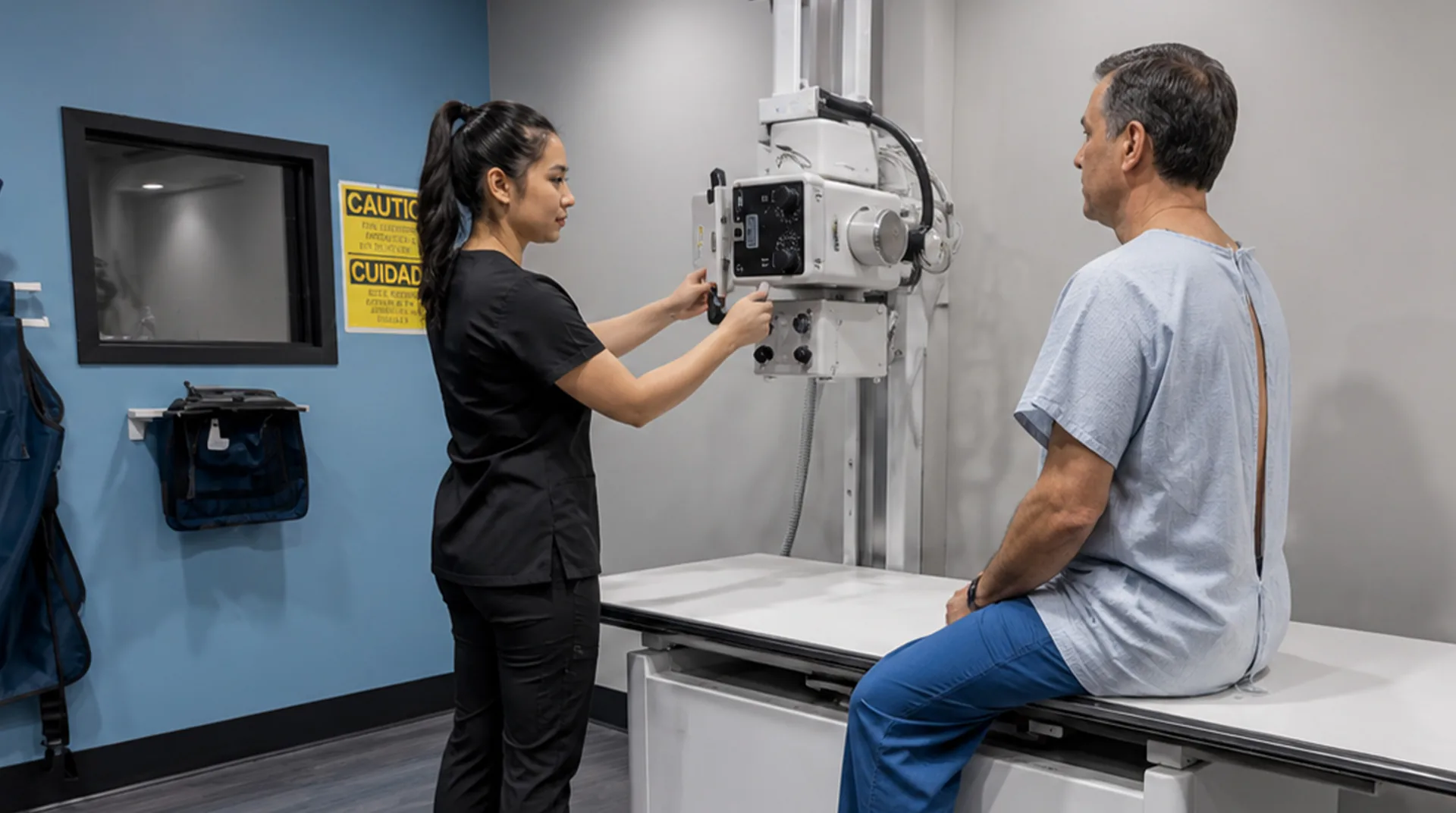
- On-Site Testing & X-Rays: Rapid labs and digital imaging under one roof.
- Check Live Wait Times: View real-time clinic wait times on our website before you leave home.
Frequently Asked Questions
Does yellow or green mucus mean I need an antibiotic?
No. Discolored mucus is a normal sign that your immune system is working hard to fight off an infection. As white blood cells finish fighting off a virus, they turn your nasal or chest discharge yellow or green. Thick or colored mucus alone does not mean you have a bacterial infection or need a prescription.
How long does a chest cold cough usually last?
While symptoms like fevers or body aches usually clear up within a week or two, a cough from a viral chest cold routinely lasts anywhere from 3 to 8 weeks as your sensitive breathing passages gradually heal.
Can a cough trigger asthma even if I've never had it before?
Yes. Viral chest infections are one of the most common triggers for temporary airway spasms or reactive airways similar to asthma. If your cough is accompanied by a tight chest feeling or wheezing, a medical provider can evaluate whether a temporary inhaler will help open your breathing passages.